Weather and Radio

There is a long association between weather and radio in general and Amateur Radio in particular. When broadcast radio started to become in general use, people began to rely on it for local weather reports. Amateur Radio was also found to be useful for spreading weather reports, not only locally but over long distances. One topic of conversation over the radio has always been the weather. Many QSOs include the local weather. It does go deeper than just chatting, however. Hams are concerned about the weather. If thunderstorms come along, it is bad to have your equipment hooked up in case of a lightening strike. Hail and high winds can take down antennas. Trees can come down during storms and flooding can cause all kinds of havoc.

Amateur Radio operators (hams) have been and still are relied upon to provide back-up communications in emergencies and a lot of emergencies are weather related. Even if a ham cannot get to an area and assist with communications they can still be of value by reporting local conditions. A lot of hams have weather stations in their yard and can report things such as temperatures, pressure changes and precipitation totals to the NWS. There are phone apps that allow you to report (mPing is one example and is free) local conditions. What do you do if your cell service is out? Well there are a lot of clubs out there that hold nets when there is severe weather. You can log into a net on a repeater and report. They usually have a back-up plan in the event that repeaters are down. There are also weather nets on the HF bands where you can report conditions. A lot of options exist.

At the extreme end, there are hams who go out spotting bad storms such as tornados. anyway, here is a list of some resources to use if you want to get into weather reporting or learn more about the weather:

http://www.weather.gov is the National Weather Service website

https://www.weather.gov/SKYWARN This is the official NWS Skywarn page

https://www.weather.gov/skywarn/wfo_links This is a link to find local spotter classes in your area

https://www.meted.ucar.edu/education_training/course/23 This is a link to online spotter training

https://www.skywarn.org/local-groups/ And finally a link to locate groups in your area.

I hope this has been useful information to someone out there. 🙂

A Mini Vacation

We went on a mini trip down to West Virginia and Ohio. It is very peaceful driving at 3 in the morning. You seem to be in a tunnel, with the trees arching overhead. The main thing is to watch out for the animals that spring into the road in front of you. After a bit, we got on to the turnpike and then it just becomes sort of tedious. Mile after mile of dodging trucks and drinking bad coffee. Well the coffee was not the worst that I have ever had but it came damn close. I called several times on 146.520 MHz but got no replies. Then we got to our first destination: Chester West Virginia, home of the World’s Larges Teapot!

Big teapot

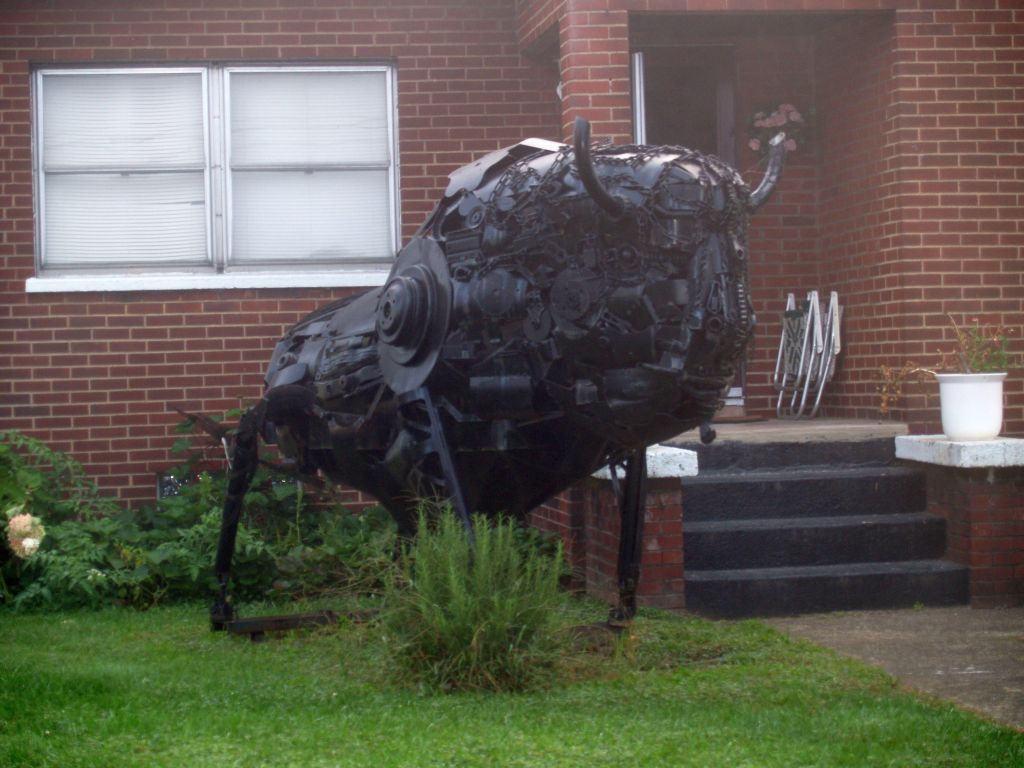
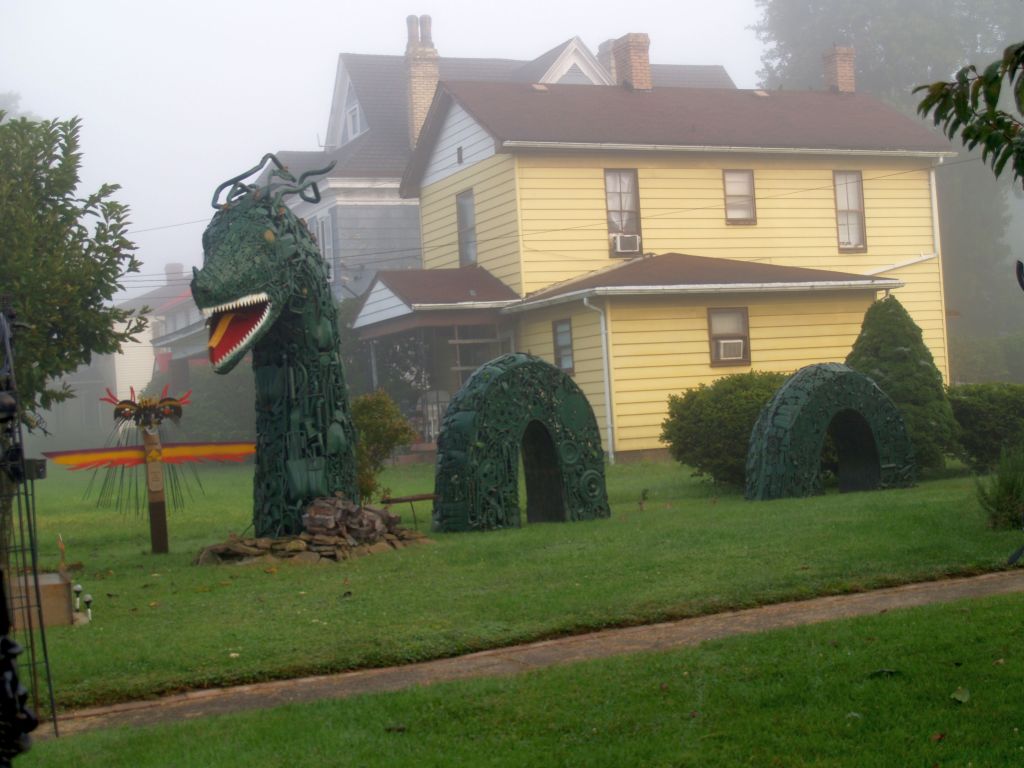
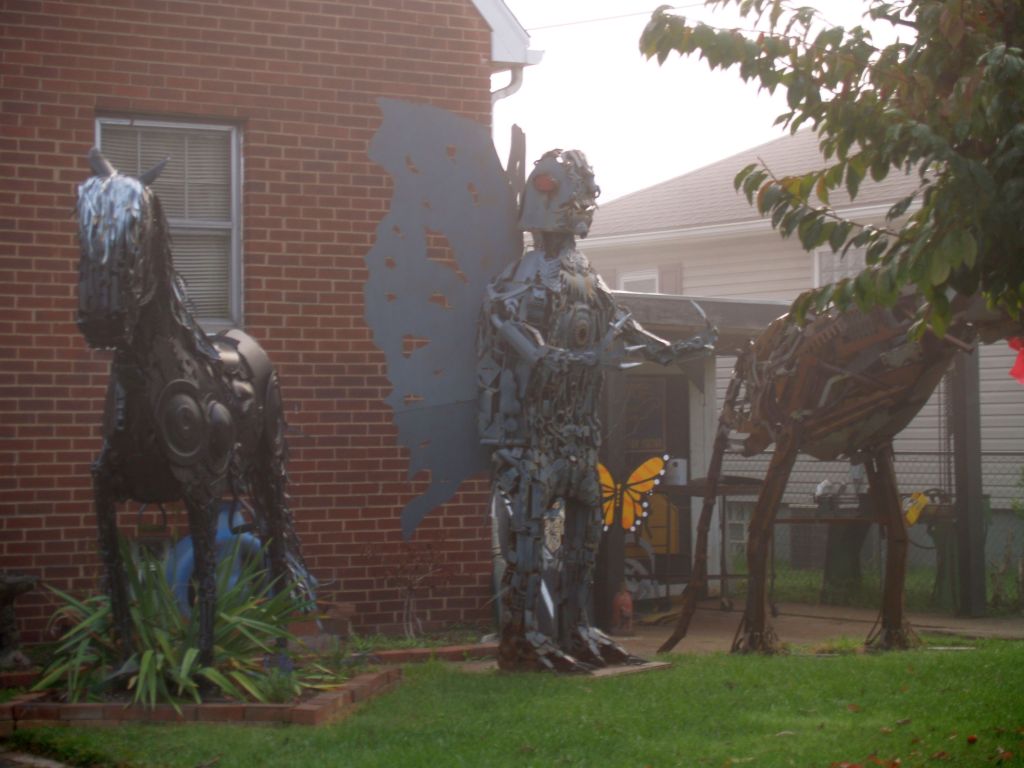
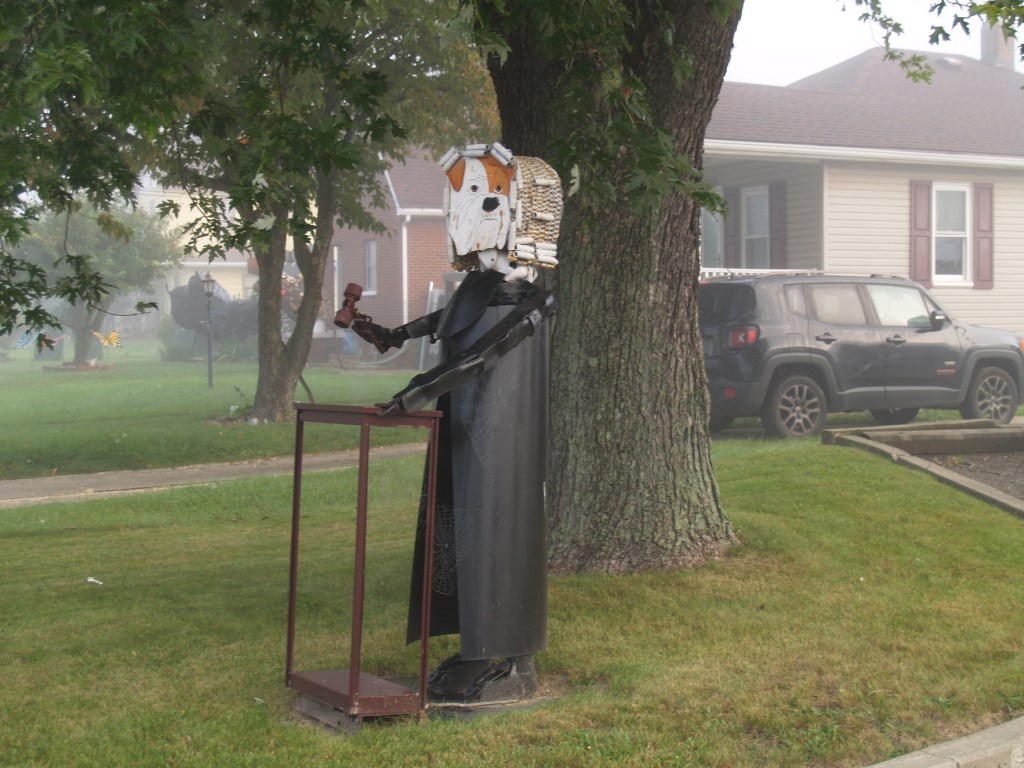
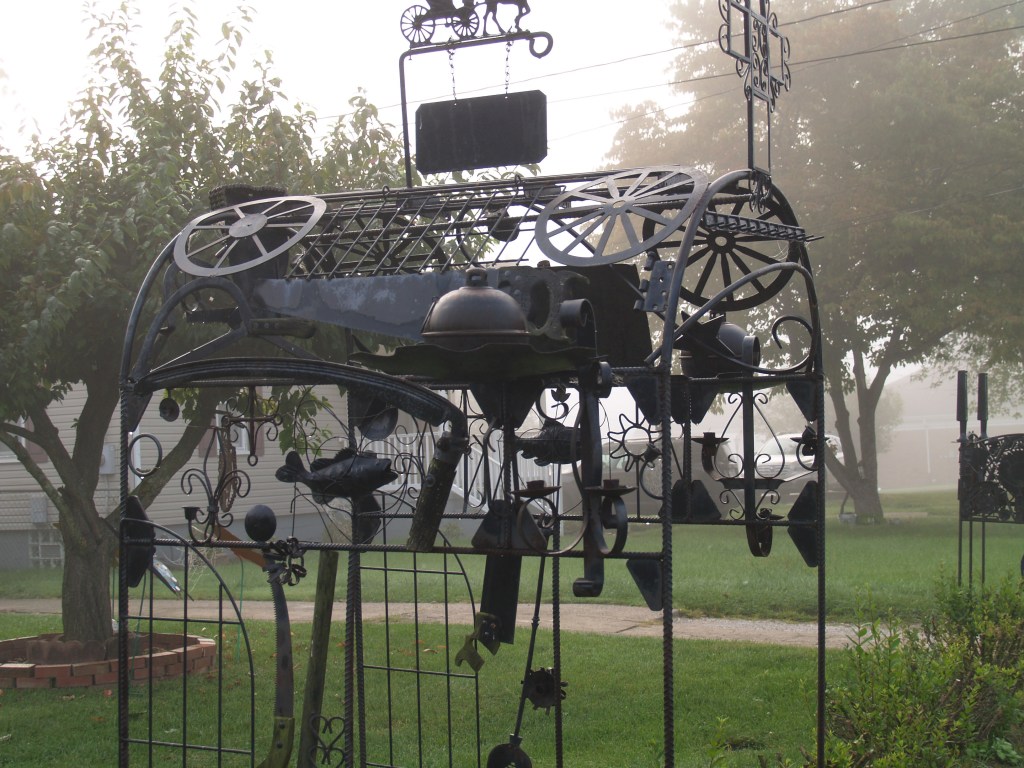
Our next stop was in New Cumberland West Virginia where there is a house with some interesting yard art:

A bison
Nessie
More critters
The judge
Yard Art

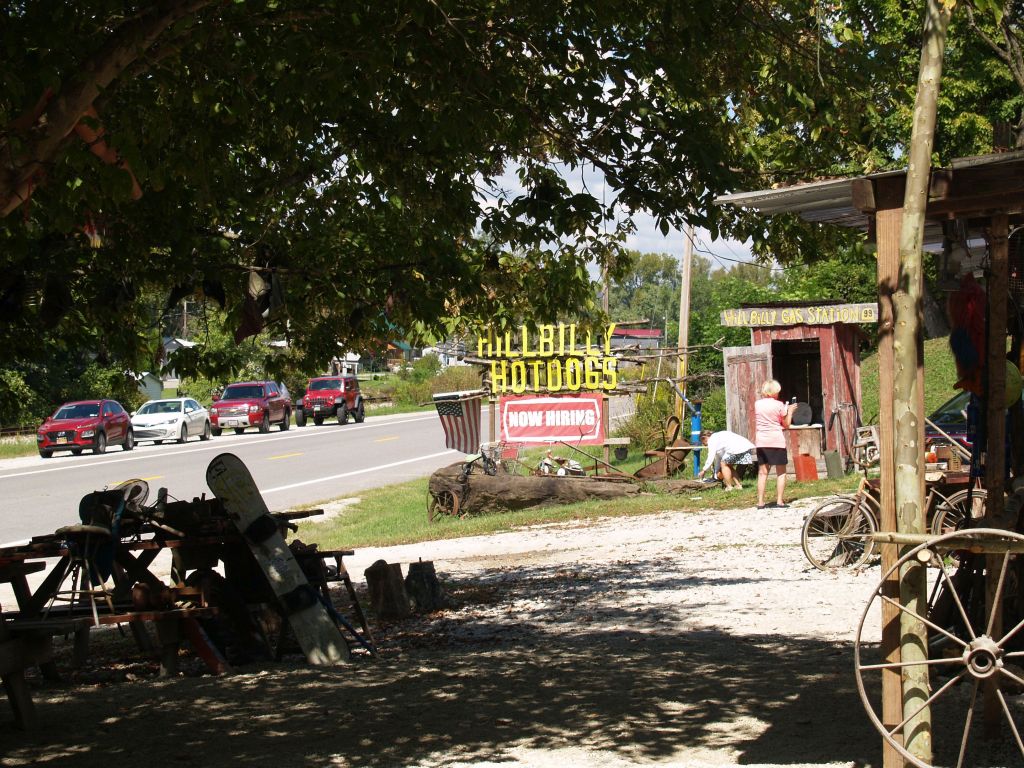
The next stop was at Hill Billy Hotdogs. We were really disappointed with the place. There was a lot of hype but there was nothing special about the dogs. The Hamilton in Carlisle PA makes much better dogs. I am not saying they were not good, they just did not live up to the hype.

Hill Billy Hotdogs

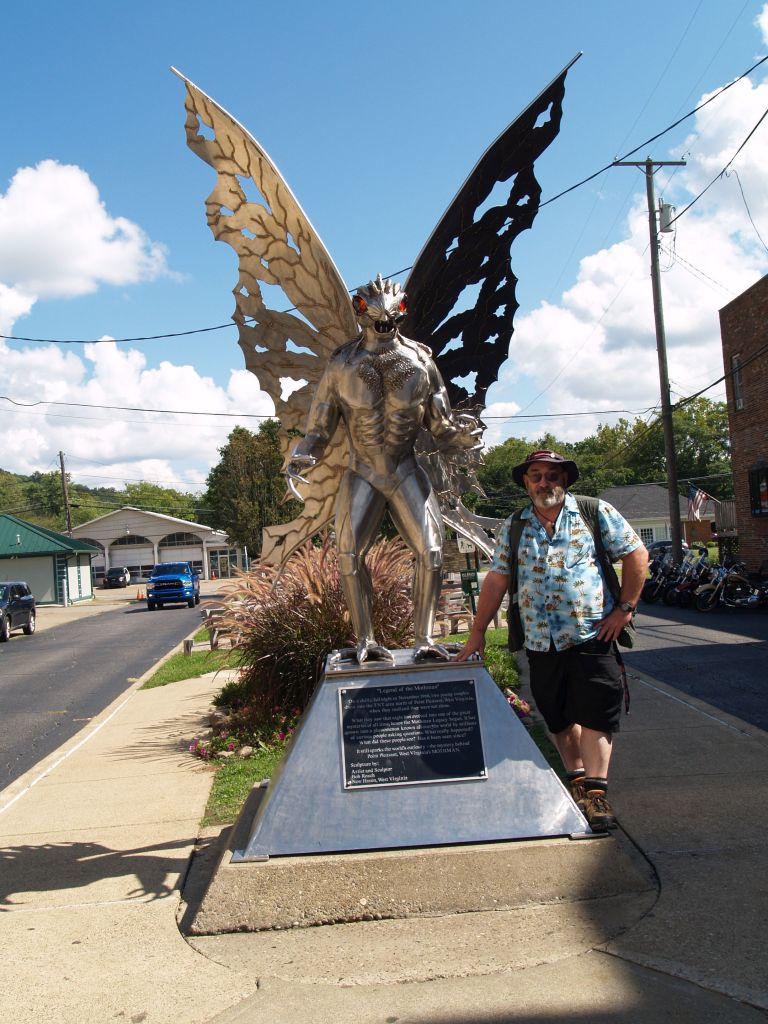
We did visit the Mothman and take a pic with him:

The Mothman

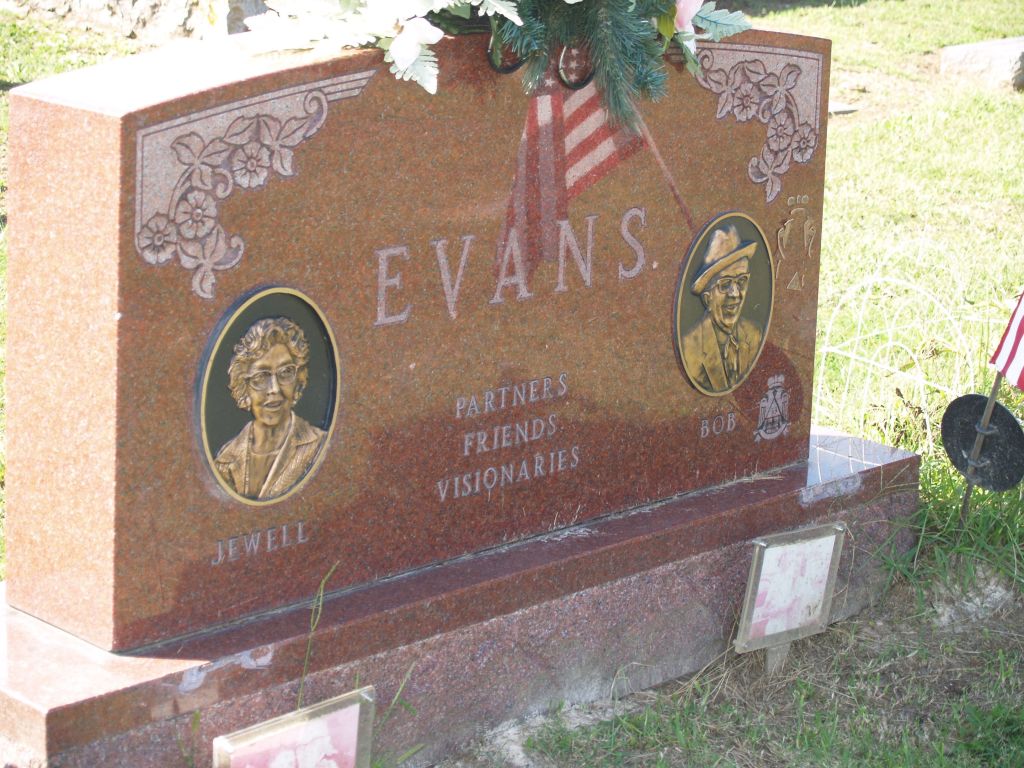
And we happened to find the grave of Bob Evans, founder of the restaurant chain that bears his name.

Grave of Bob Evans

Overall, we had a great time. I was unable to get anyone to answer me on 146.520 MHz but that can happen. Not everybody monitors that frequency. The motel we stayed at reeked of cigarette smoke in the hallways and we found a lizard in the bathroom. I took the poor critter outside and let him go. 🙂

Ruminants and Moggies and Hawks! Oh my!!

Odocoileus virginianus: Not a very catchy name, I know. I usually refer to them as ruminants on my Instagram page. We don’t mention their common name out loud as it tends to attract them and entice them to run out in front of my car. My wyfe and I enjoy going for recons in the evening and counting the critters we see. For example, tonight we counted 23 ruminants, 27 moggies and 1 hawk. 16 of the ruminants were standing together in a field. Moggies are the only domestic animals that we count. There is no agenda to what we are doing, it is just for fun. We often bring cameras and phones to take pictures. It is amazing what can amuse a person. Back to the common name. Every time we have been driving along and casually used the common name, one jumps out in front of the car. At one time I considered buying some stickers and putting them on the driver side door. At this point, I would qualify as an ace. The proof is in the car repair bills. Other animals we count are owls. turtles, turkeys, groundhogs, squirrels, ducks, gooses and chipmunks. We don’t reveal where we see the ruminants as I believe hunters should do their own recons. I do keep my radio on in case someone calls (ham radio, not broadcast). There are a few repeaters I can reach in the areas we drive. It never hurts to be ready for anything.

Cross my heart: a short bit about cross band operations

So into it again. I would like to talk a bit about cross band operations. Basically, this is a feature in a lot of mobile rigs which allows you to extend the range of your hand held unit. You set up a mobile or fixed station to take an incoming signal on one frequency and re transmit the signal on another frequency. Here is an example: you are performing communications for a public event and you cannot reach a repeater with your HT. Your radio in your car, on the other hand, can easily communicate with the repeater of your choice. If the rig is capable, you can set it up for cross band. You would transmit on a simplex frequency on your HT and the mobile rig would take that signal and re transmit it on the input frequency of the repeater. When the repeater transmits, your mobile rig would re transmit that signal onto the simplex frequency that your HT is set on. This allows you to be away from your car if needed and still be in communication with the people you need to talk to (usually a command center or net control station). One thing they caution you about is not to cross band two repeaters as this would cause a loop which could lock up all radios involved. Not cool and potentially harmful to to all radios involved. You should also be aware that your radio doing the cross band is operating at 100% duty cycle and could over heat if not given a rest now and then.

The Attraction: Why I like ham radio

A person could ask what do I find attractive about Amateur radio. To answer that we will have to delve into the past. When I was a kid I used to sneak a transistor radio into my bed at night and listen to AM radio stations, including WBZ out of Boston. The very idea of hearing stations from across the country was mystical. I found back in 1998, that ham radio had the same sort of magic but now I could reply to and interact with the disembodied voices. When I first started I was impressed with the friendly people who were very helpful to a newby. Some of them are gone now but will always remain in my memory.

These days I use CW on the HF bands and occasionally SSB when there is a special event station I want to work. I belong to a couple of CW clubs on the air : FISTS which is the Morse Code Preservation Society and SKCC which is the Straight Key Century Club which promotes the use of manual telegraphy. I have delved into some of the digital modes from time to time and plan on getting more into them. In 1998 I was introduced to Packet Radio which had past its peak but was still used. You could connect from node to node and communicate keyboard to keyboard across the country. I was lent an old IBM luggable computer to run packet and it was perfectly adequate to the task even though it was an antique at this point. Sometimes the harddrive would stick when it was booted and you had to give it a whack with something like a screwdriver handle to jog it into action. After a few years packet pretty much faded into obscurity, replaced by modes suck as PSK31, and now FT4 and FT8.

So on my commute to work I mostly use 146.520 MHz which is a frequency known for non-repeater use. I have had many conversations with hams both local and travelling through. I do get on repeaters now and then, in particular the TARA repeater on 147.045 + ctcss 146.2 Hz and the W3ND repeater 444.550 + ctcss 123.0 both of which cover Perry County very well. If you hear me on a repeater or on simplex, give me a call. On roadtrips I usually program my radio with a list of repeaters along the route One trick I learned is to make every 10th memory slot 146.520 so you can switch easily to simplex. This makes it very handy along long routes as some repeaters do not get a lot of activity.

So there is my latest entry. More to come.